
Natural Tocopherol (Vitamin E) Recovery
From deodorizer distillate to high value natural ingredients. Natural tocopherol concentrates in 30, 50 and 70 percent grades, plus phytosterols and squalene.
Recover More Value from Every Ton
During vegetable oil deodorization, volatile compounds are removed under high temperature and vacuum and collected as deodorizer distillate. This stream is often sold as a low value refinery by product, although it can contain significant concentrations of natural tocopherols (Vitamin E), phytosterols, squalene, fatty acids and other unsaponifiable compounds.
Instead of evaluating the complete stream as a single low value product, Save Tech develops a process route designed to separate and concentrate its individual value components. The result is a portfolio of higher value products from a side stream you already generate today.
- Natural tocopherol concentrates in 30, 50 and 70 percent grades
- Phytosterols, squalene and fatty acid rich fractions as co products
- Gentle separation of heat sensitive natural compounds
- Additional revenue from an existing refinery by product
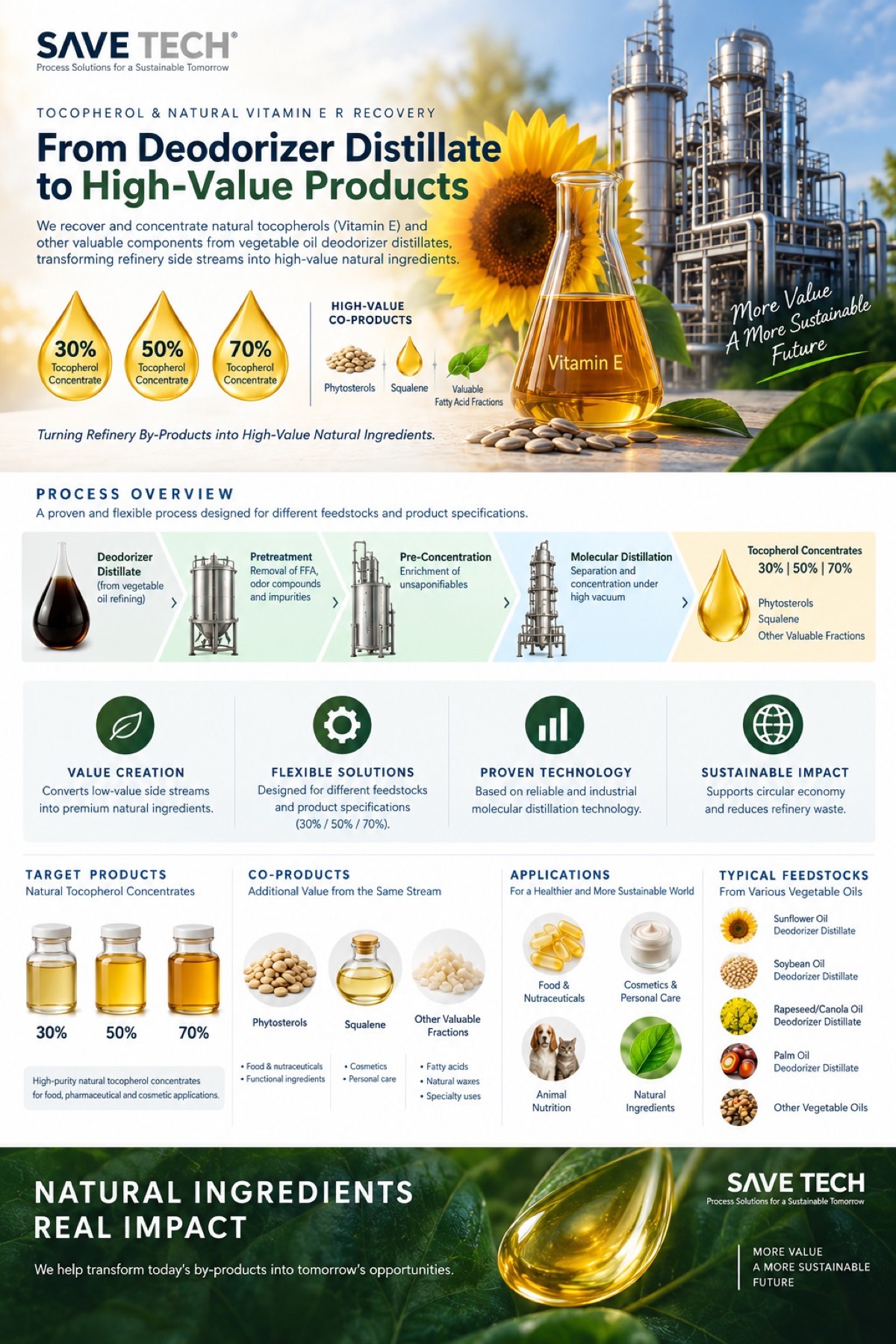
From Deodorizer Distillate to Concentrate
A modular route developed according to the actual composition of your feedstock.
Feedstock Characterization
Every project begins with detailed analysis of the deodorizer distillate. Tocopherol content and composition, free fatty acids, sterols, squalene, moisture, impurities and unsaponifiable matter form the basis of the process design.
Pretreatment
The feedstock is conditioned before concentration. Depending on its characteristics the section can include filtration, conditioning, conversion or esterification and the removal of impurities.
Pre Concentration
Selected components are enriched while lighter or less valuable fractions are removed. This reduces the load on downstream purification and improves overall process efficiency.
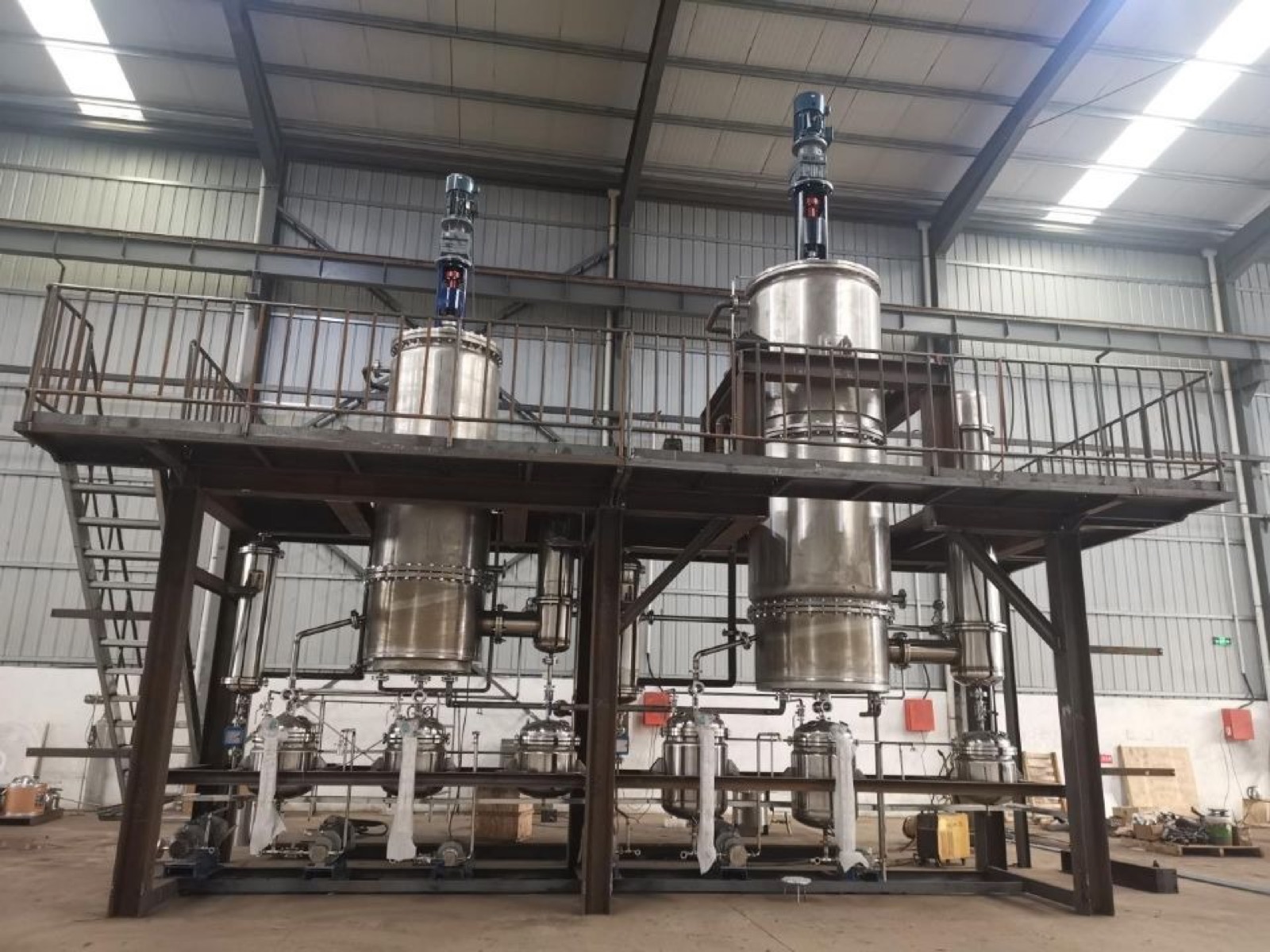
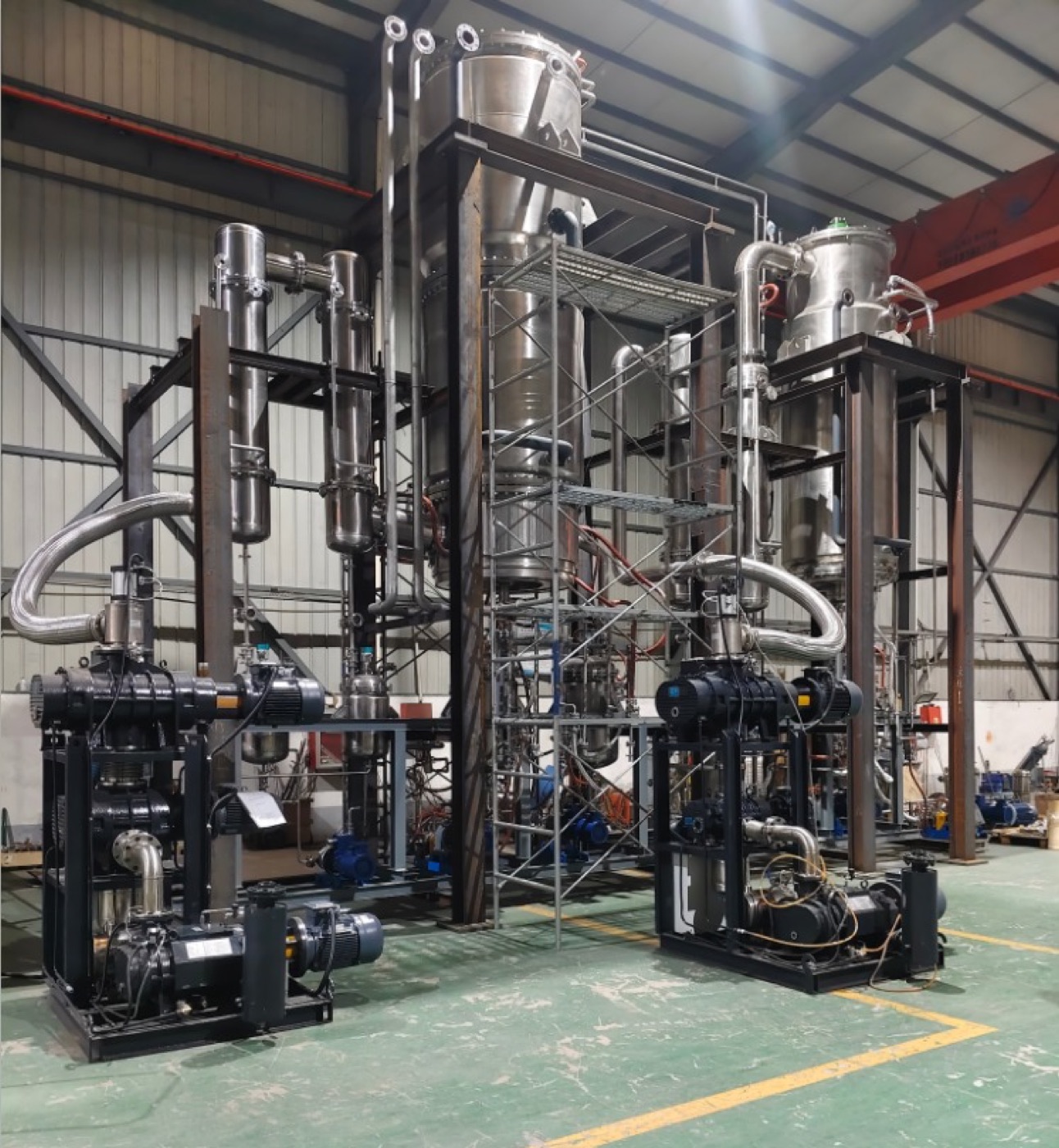
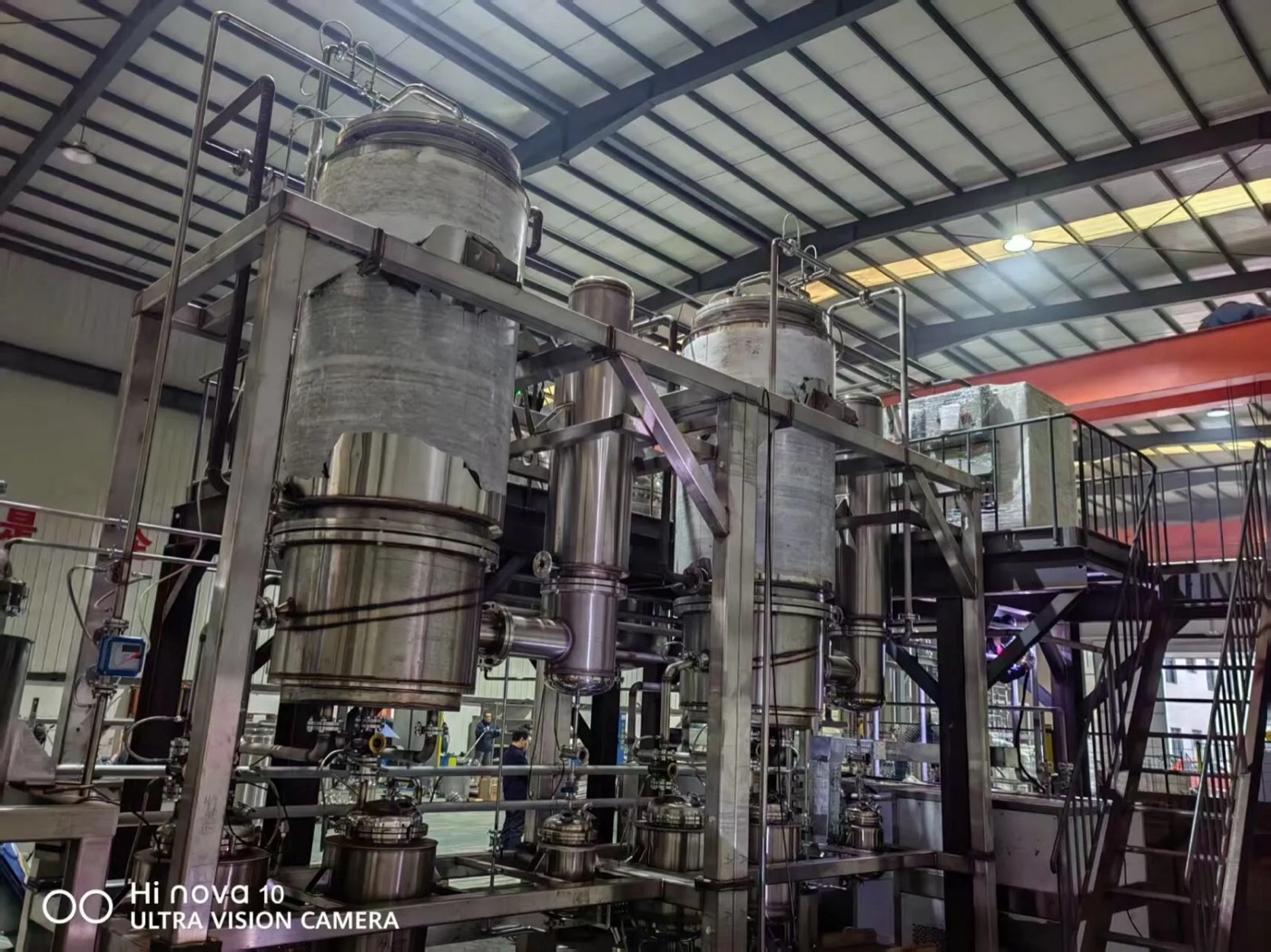
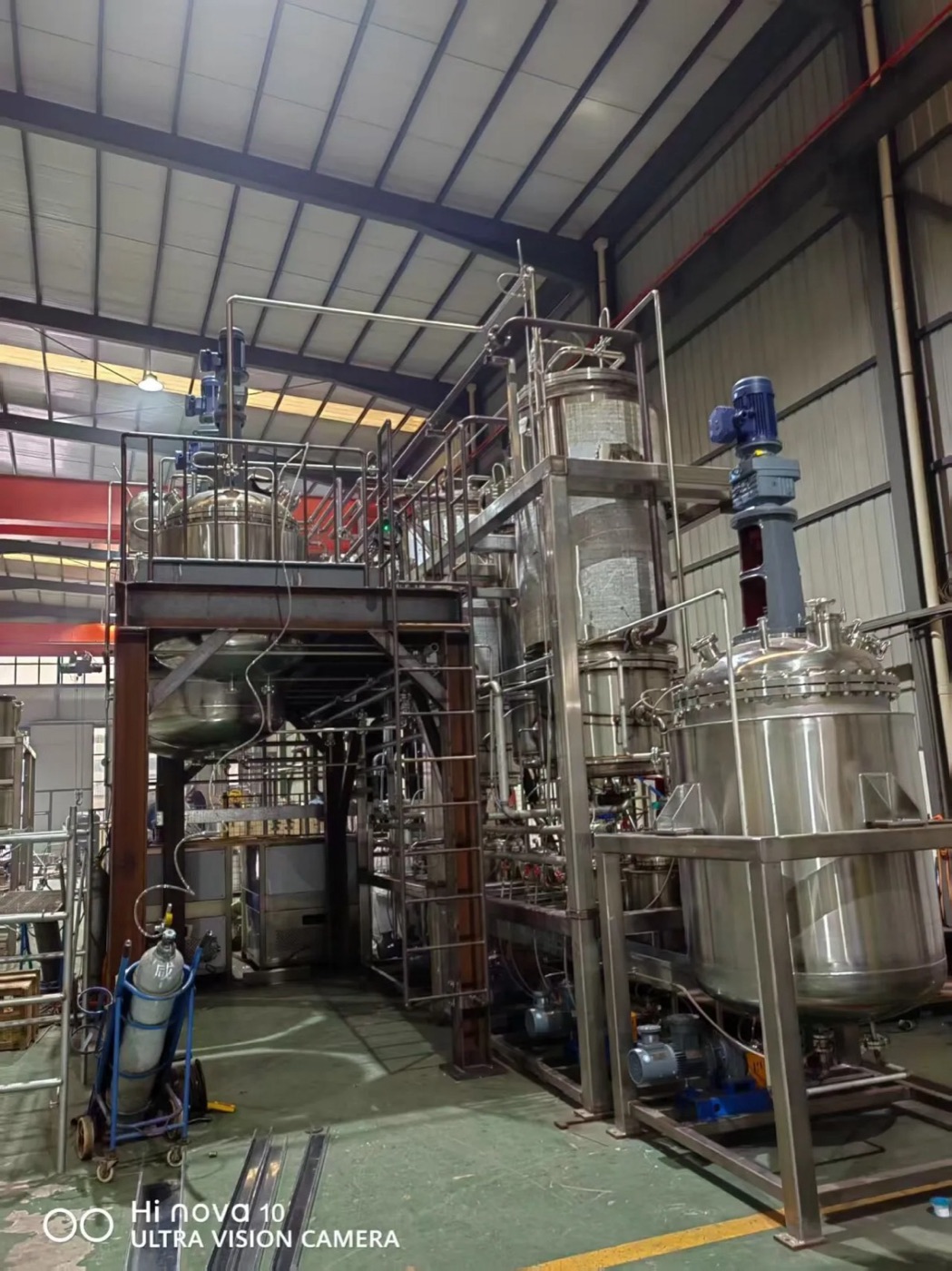
Molecular Distillation
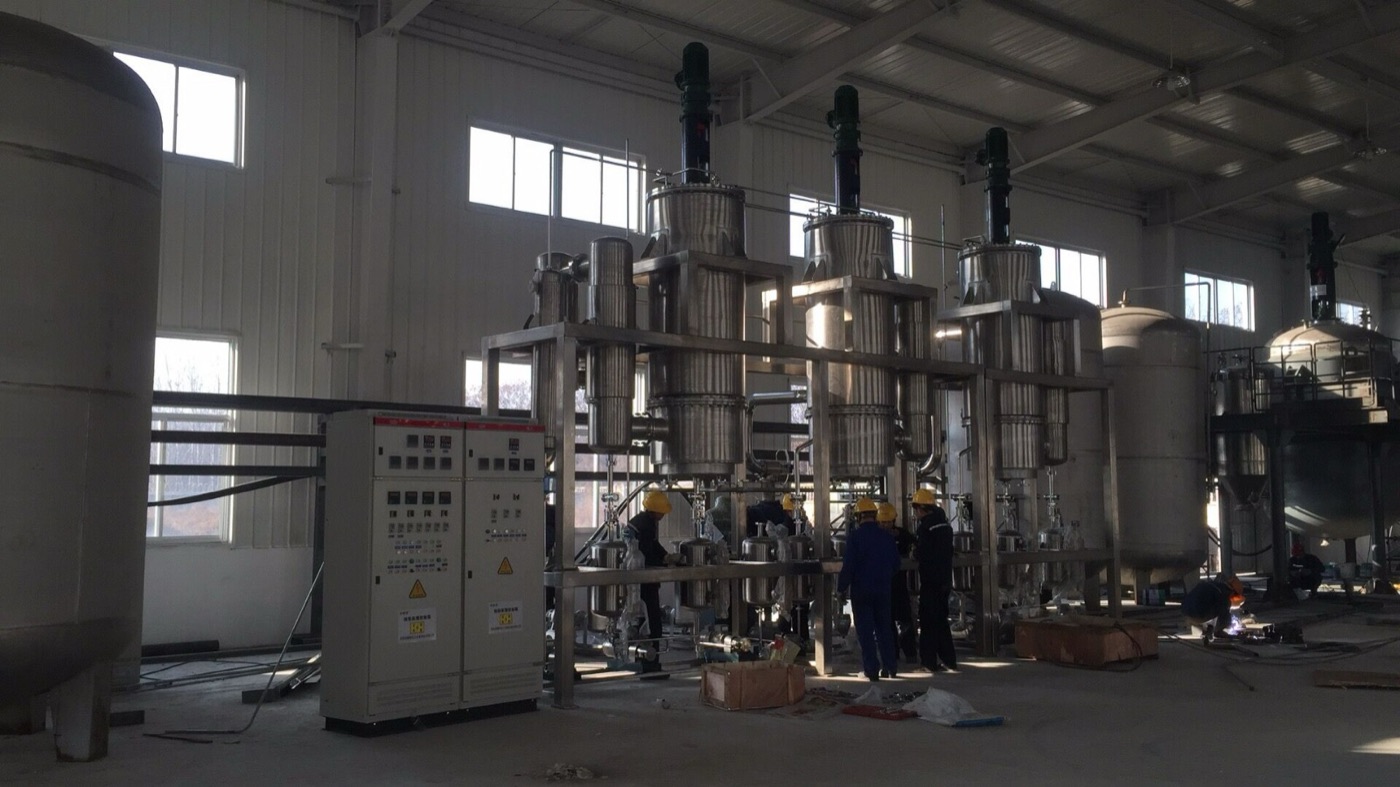
The core separation technology. Very high vacuum combined with short residence time allows separation at significantly reduced thermal exposure, which is essential for sensitive natural compounds such as tocopherols.
Product Finishing
Concentrates are finished to the target specification. Product handling includes nitrogen blanketed storage and packaging according to the product requirements.
Co Product Recovery
Side fractions are evaluated for additional commercial value rather than treated as waste. Multiple separation stages can be integrated where the target product portfolio requires it.
Multiple Value Streams from One Feedstock
Save Tech does not limit the concept to a single tocopherol concentration. The production strategy follows feedstock quality, recovery yield, market value and investment economics.
Natural Tocopherols 30, 50 and 70 percent
The 30 percent grade suits applications and downstream processes requiring moderate concentration. The 50 percent grade is a higher value intermediate with an optimized balance between concentration and recovery. The 70 percent grade serves applications requiring increased Vitamin E content or further purification.
Phytosterols
Plant derived sterols are separated as a valuable fraction and can be further processed according to the required final specification.
Squalene
Where present at commercially relevant concentrations, squalene represents another valuable natural product stream from the same feedstock.
Fatty Acid Rich Fractions
Fatty acid fractions generated during processing can be evaluated for downstream industrial or oleochemical applications.
Typical Feedstocks
Because the composition of deodorizer distillate varies significantly with oil source and refinery operation, every project is developed according to the actual feedstock analysis.
- Sunflower oil
- Soybean oil
- Rapeseed and canola oil
- Corn oil
- Palm oil
- Other tocopherol rich streams
Where the Products Go
Natural tocopherol concentrates and the recovered fractions serve a broad range of downstream industries, subject to the required product specification and applicable regulatory requirements.
- Food and nutraceuticals
- Animal nutrition
- Cosmetics and personal care
- Pharmaceutical applications
- Specialty chemicals
- Natural antioxidants
An Indicative Project Basis
The following values represent a typical project basis for executive evaluation. The final configuration always follows the laboratory analysis of your own deodorizer distillate.
From Feasibility to Investment Decision
A successful recovery project must be technically feasible and economically attractive. Our feasibility studies cover the complete picture.
- Feedstock availability and composition
- Mass balance and product recovery
- Product grade strategy for 30, 50 and 70 percent
- CAPEX and OPEX
- Product value and revenue potential
- EBITDA, cash flow, ROI and payback period
- Sensitivity and risk analysis
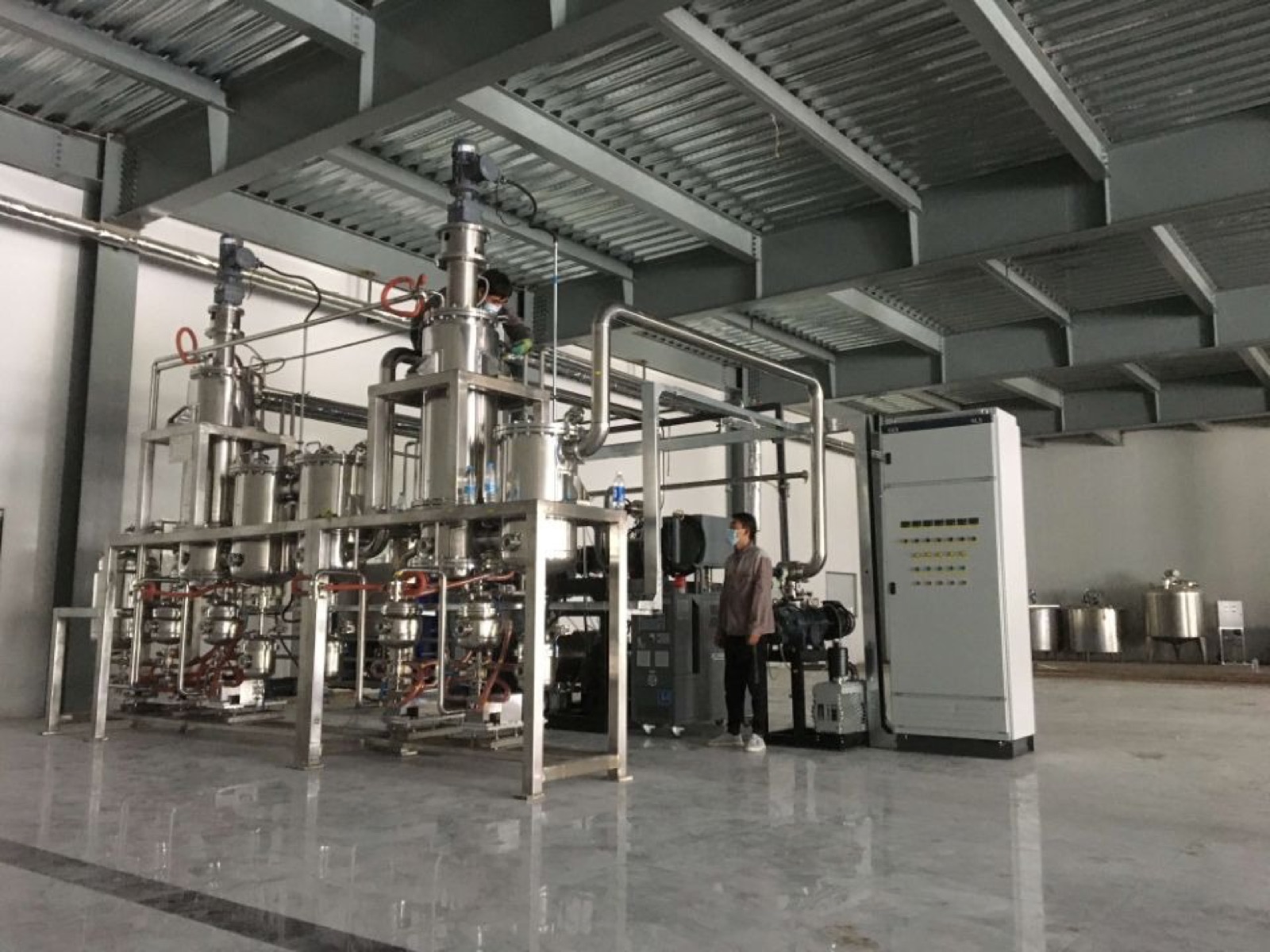
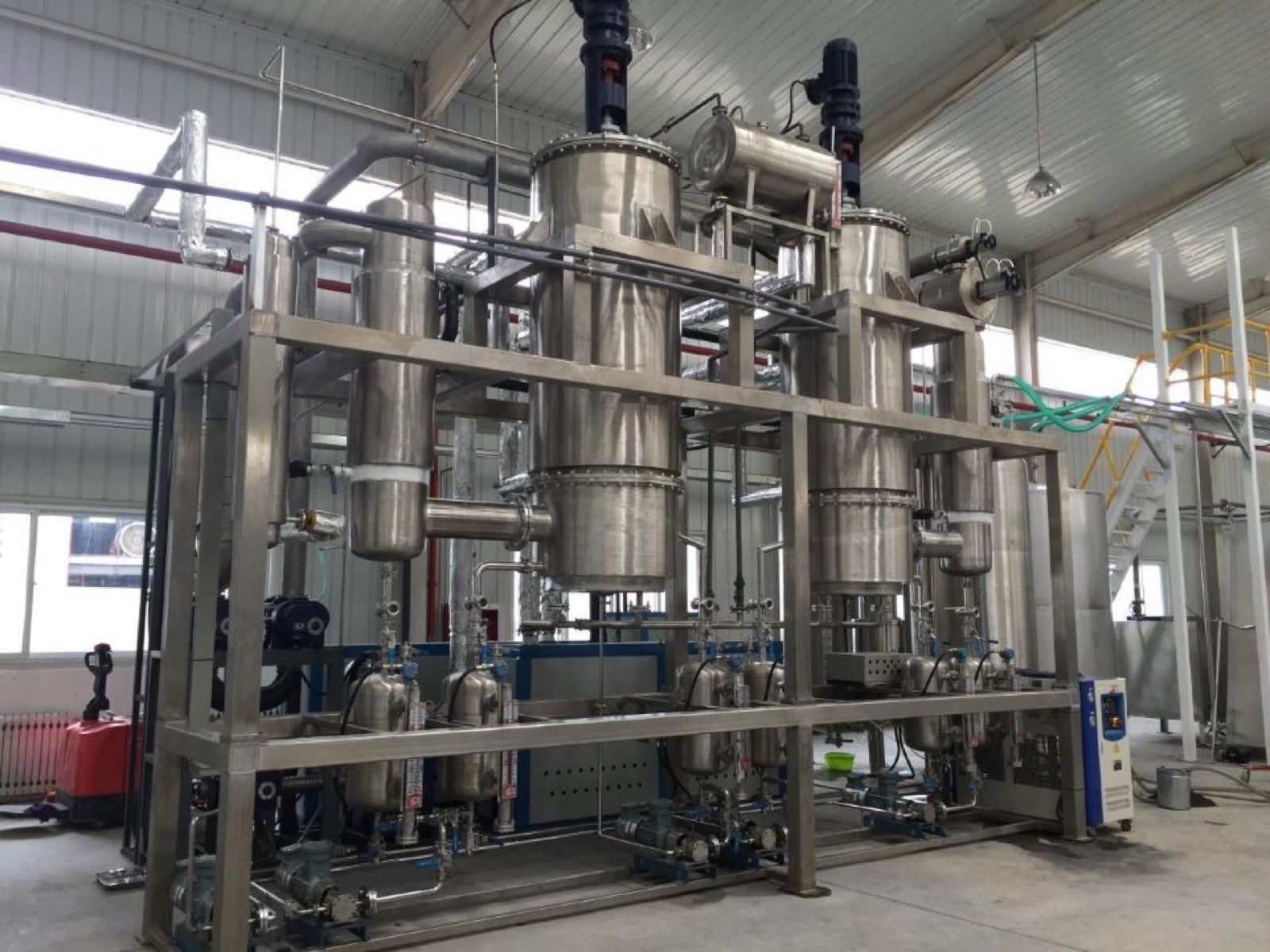
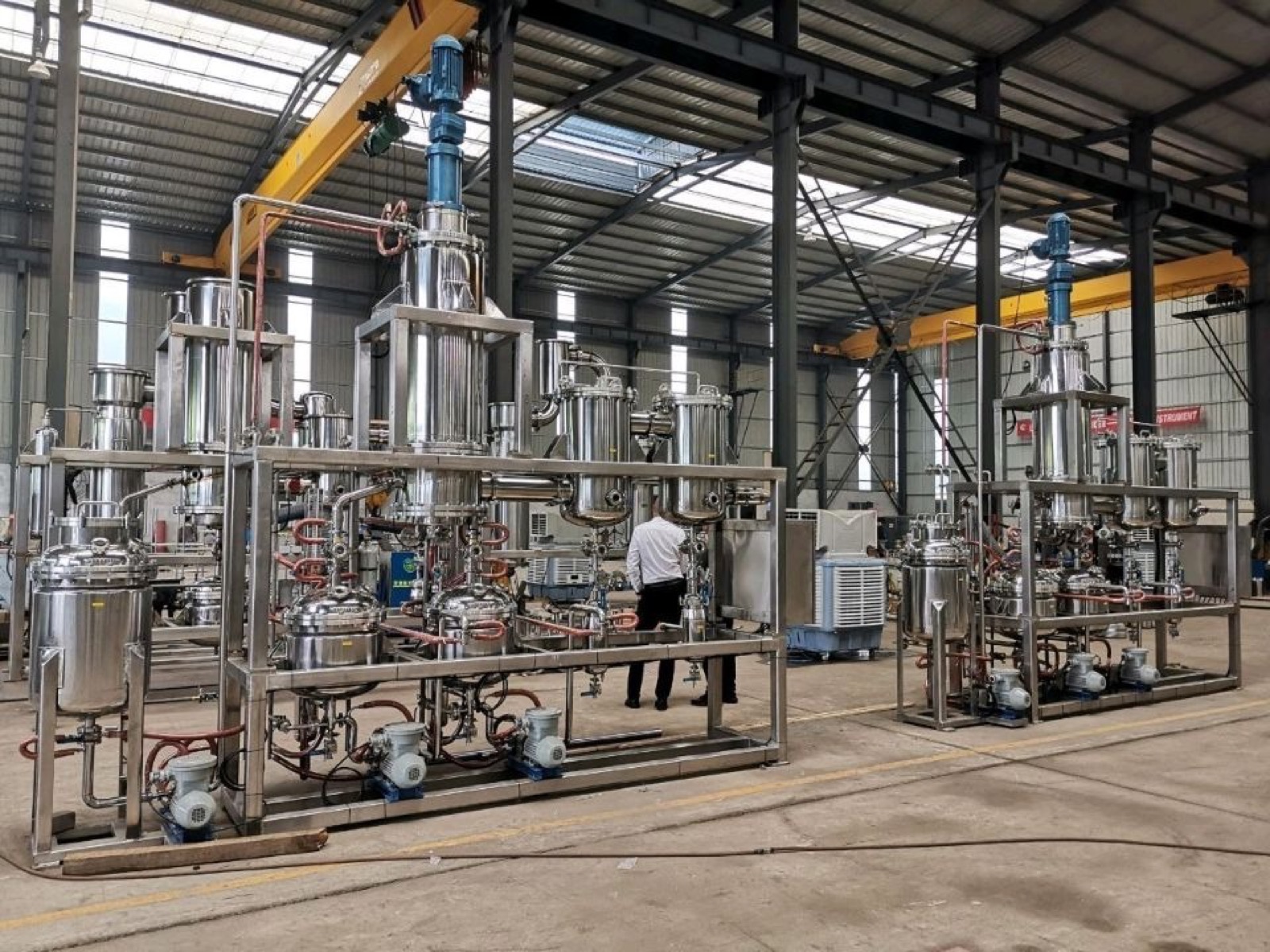
Molecular Distillation Systems
Downloads
All documents are in English.
Have a deodorizer distillate stream?
Send us your feedstock analysis and plant capacity. We evaluate the recovery potential and develop a project specific technical and economic feasibility study, including an individual example calculation with clear analytical figures.